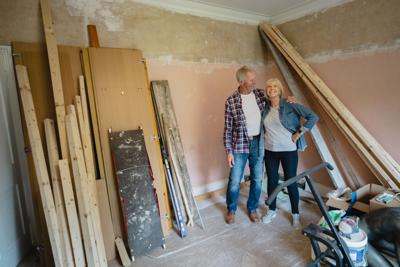


For a growing number of homeowners, the long-term plan is simple: stay put. Rather than downsizing or moving into a managed community later in life, many people want to remain in the home they already know, surrounded by the neighborhood and routines they've built over decades. Making that possible usually takes a few thoughtful renovations done well before they're strictly necessary.
Aging in place is less about a single big project and more about a series of smart updates that make a home safer, easier to move through, and comfortable for the long haul. The good news is that most of these changes also happen to make a home more livable for everyone, at any age.
Start With the Entryways and Floors
The first place to look is how you get in and move around. A step-free entrance, even on just one door, removes a daily obstacle and makes the home easier to use for anyone carrying groceries or pushing a stroller. Inside, the priorities are level transitions between rooms, slip-resistant flooring, and removing the small trip hazards that tend to accumulate over the years.
People are also reading…
Widening a doorway or two is one of the higher-value updates here. A standard 32-inch clear opening is the minimum width that accommodates most walkers or wheelchairs, and it makes moving furniture much easier in the meantime. None of this has to read as institutional. Done with the right materials, an accessible home looks like a well-designed one.
Bathrooms Are the First Priority
If the budget only stretches to one room, the bathroom is where it should go. Most falls at home happen here, so a curbless walk-in shower, a built-in bench, grab bars anchored into wall blocking, and a comfort-height toilet deliver an outsized safety return. A handheld showerhead and lever-style faucets round out a space that works whether you're 35 or 75.
A full accessible bathroom remodel commonly runs $9,000 to $20,000 depending on finishes and whether plumbing moves, according to cost data from Angi. Building the reinforcement into the walls now, even if you skip installing the grab bars for the moment, keeps the future cost low.
Kitchen Updates That Earn Their Keep
The kitchen rewards a few targeted changes. Pull-out shelves and drawers bring the contents of deep cabinets within reach. A section of lower counter creates a comfortable spot to work while seated. Lever handles, a single-lever faucet, and good task lighting reduce strain on hands and eyes alike. These are the kinds of details people rarely notice until they need them, and then appreciate every day.
How Homeowners Are Thinking About Where Their Money Goes
There's a broader shift toward investing in the homes people already own rather than chasing the next one. In Rocket Mortgage's homeowner survey, homeowners were asked a hypothetical question — how they would split $20,000 between a home renovation and a dream vacation — and 75% said they'd put the money toward the renovation. It's a hypothetical scenario, not a record of actual spending, but it points to a real instinct: when people picture their future, many see it in the home they already have. Aging-in-place updates are one of the most practical expressions of that instinct.
Plan the Phases and the Budget
Aging in place works best as a multi-year plan rather than a single overwhelming project. A reasonable sequence is to handle structural and safety items first — entrances, bathroom, flooring — then move to convenience upgrades like kitchen accessibility and lighting as the budget allows. Sequencing the work this way spreads the cost and lets you live with each change before committing to the next.
For financing, homeowners have several straightforward paths. A home equity loan or HELOC lets you borrow against the value you've already built, often at favorable terms, and a cash-out refinance can fold the cost into a single mortgage payment. A lender can model the monthly cost of each option side by side so the plan fits comfortably within the household budget. Because these projects tend to preserve and even add value, the money generally works hard for you.
Build It to Look Like Home
The last point is the one people worry about most: aging-in-place features used to look clinical. They no longer have to. Curbless showers read as spa-like, grab bars come in finishes that match the towel rack, and wider hallways simply feel more open. Designed with intention, a home that's ready for the long term is indistinguishable from a home that's simply well done — which is exactly the goal.
The homeowners who handle these updates early tend to be glad they did. The work gets done on their own timeline, on their own terms, and the result is a house that keeps working for them for as long as they want to stay.